Viralmango - Creator Marketplace

Viralmango - Creator Marketplace

Viralmango - Creator Marketplace

The ViralMango Creator Marketplace is a platform where nano and micro creators can discover and participate in brand campaigns, with each campaign receiving up to 500 applications per day. It's a place where content, nano/micro influencers can collaborate with brands and build long-term partnerships.

Duration:

Dec 2021 - 2022

Team Members:

My contributions

At first, I supported and improved the old platform design by enhancing usability and fixing UX issues. Over time, I took the lead designer on designing a new, more scalable and user-friendly version of the platform, while continuing to support and maintain the design of the old platform to time switching to the new one.

I improved the website integration flow and simplified the push notification setup process, making it easier for users to activate and manage notifications without technical barriers.

Research & Insights

Our marketplace's global problems:
- Brand-Influencer communication gaps

- Out-platform collaboration

- Brand-creator right matchmaking

Competitor Flow Audit:
To validate the new design direction for the ViralMango Creator Marketplace, I conducted a structured competitor UX audit focused on key competitors.

Objective:
Understand how other platforms are structured: onboard brands, the campaign creation process, management, communication, and campaign tracking.


Process Overview:
- Identified Key Competitors
- Mapped User Flows
- Categorized Screens
- Compared UX Decisions
- Synthesized Insights


What We Learned?

Through our competitor research and internal UX review, we detect two major issues:


  • Marketplace Poor Experience

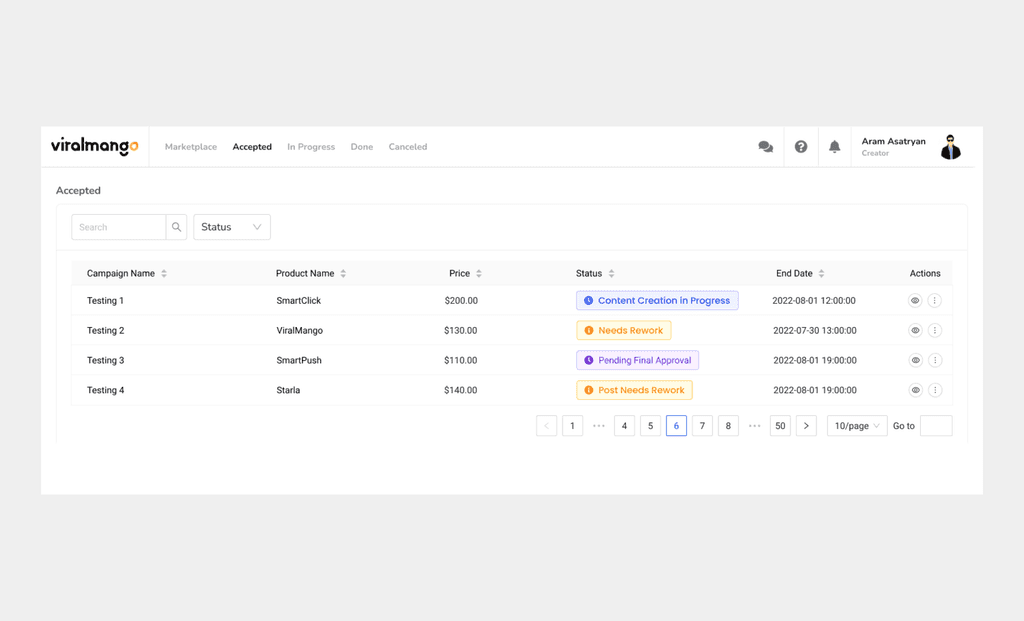
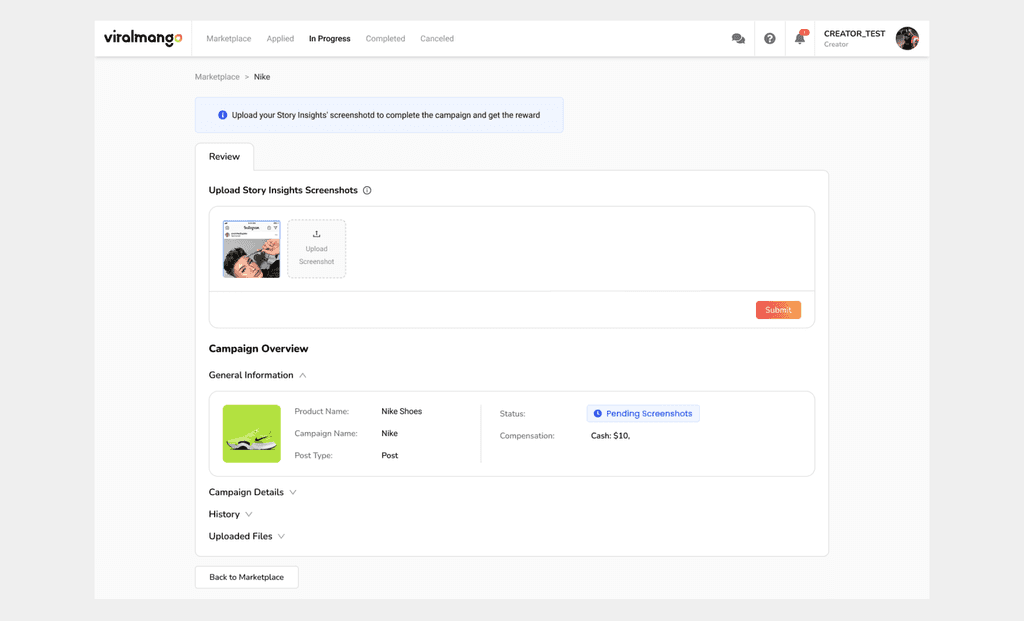
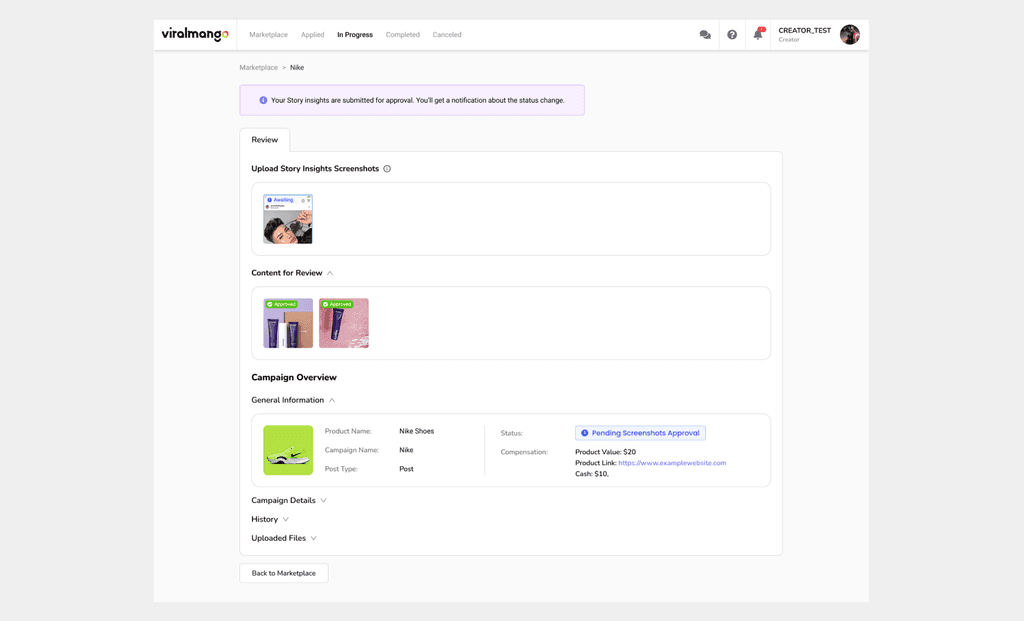
    Our current creator marketplace had usability challenges that made onboarding, search campaigns, and application tracking especially challenging in the "Content Creation in Progress" status.


  • Brand–Influencer Communication Gap

    A recurring challenge across both our platform and competitors is the lack of reliable communication between brands and influencers. For example, brands often reach out to creators but receive no response. This isn't just a product-specific issue; it’s a market problem that most platforms struggle to solve.


  • Collaboration Outside the Platform

    We discovered that many brands and creators move their communication and deals to social platforms (e.g., Instagram DMs), bypassing the platform entirely.
    It creates serious risks for us: "Loss of control and visibility", "Missed transactions", "Broken campaign workflows", "Decreased platform value".


Despite efforts to solve this problem and emphasizing in-platform communication, behavior did not change significantly. This insight pushed us to reconsider how we approach engagement and retention, not just through features, but through behavioral design and trust mechanisms.

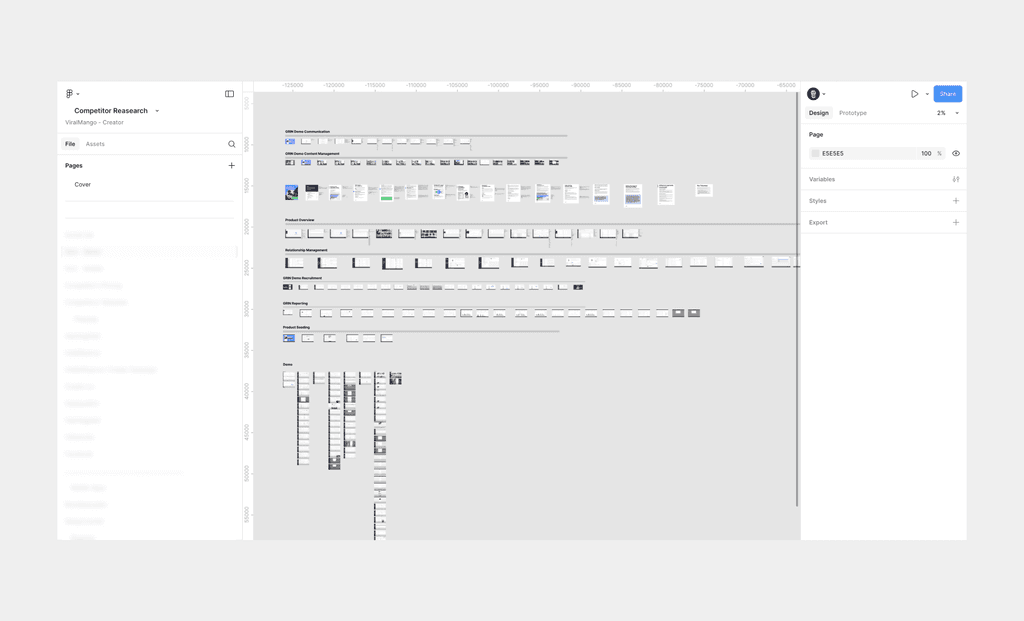
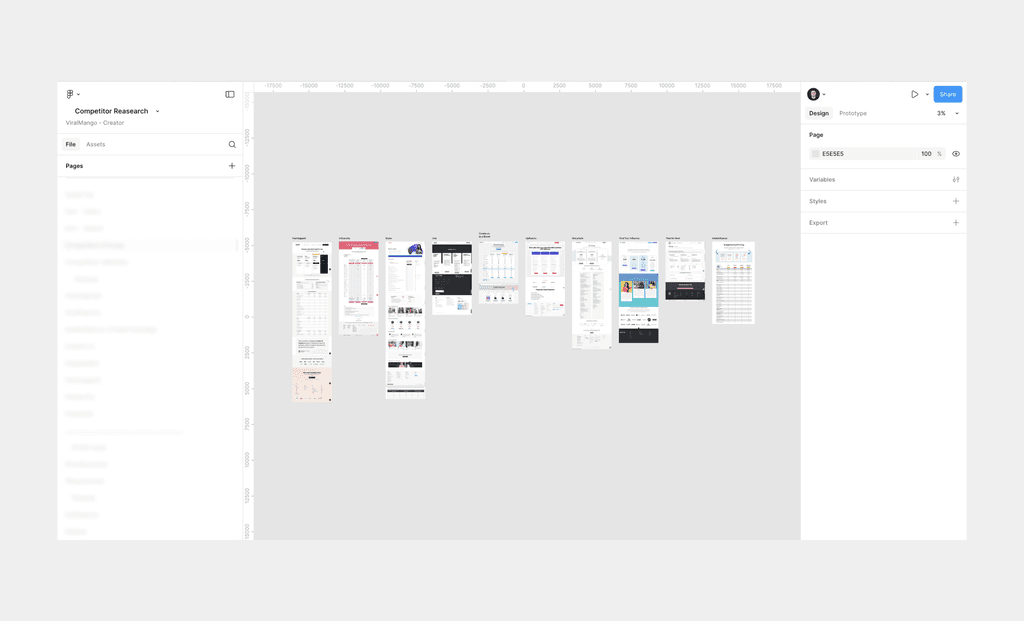
Example of a competitors research document.
Note: Because of privacy, I blurred the competitor's name. Thanks for understanding.

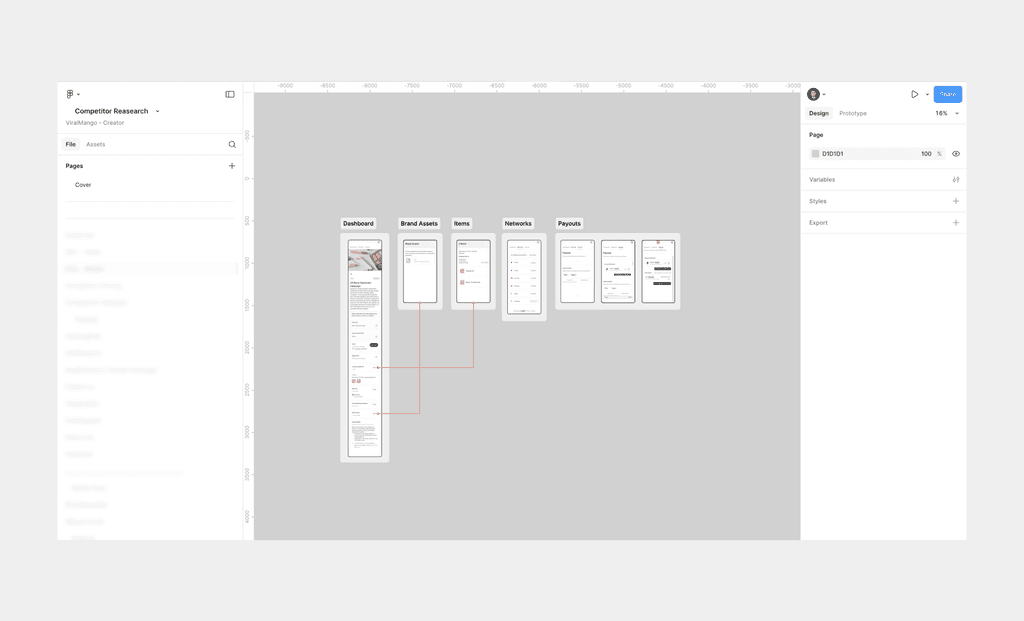
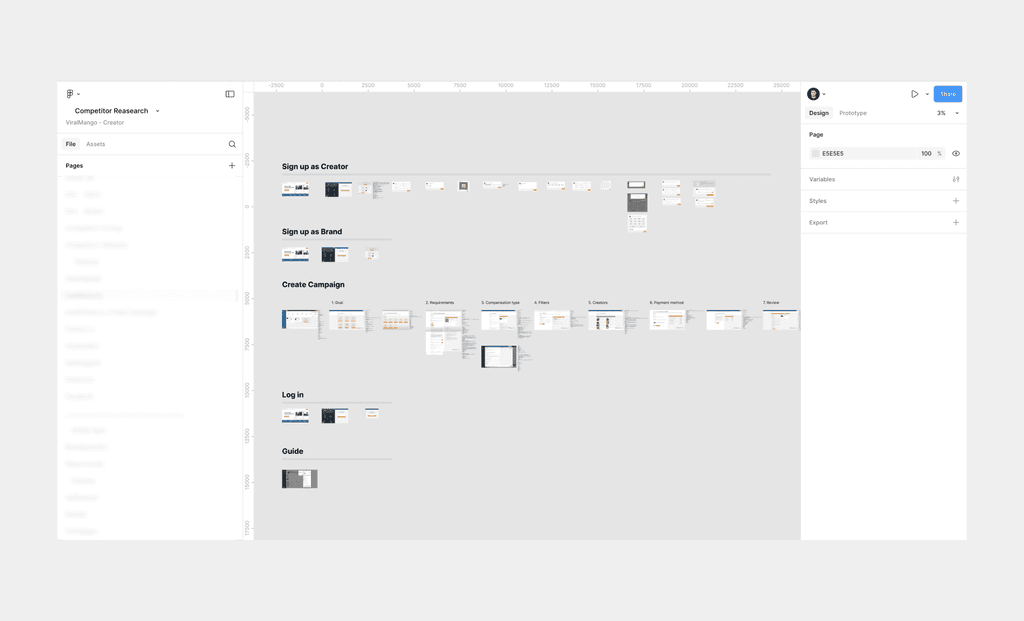
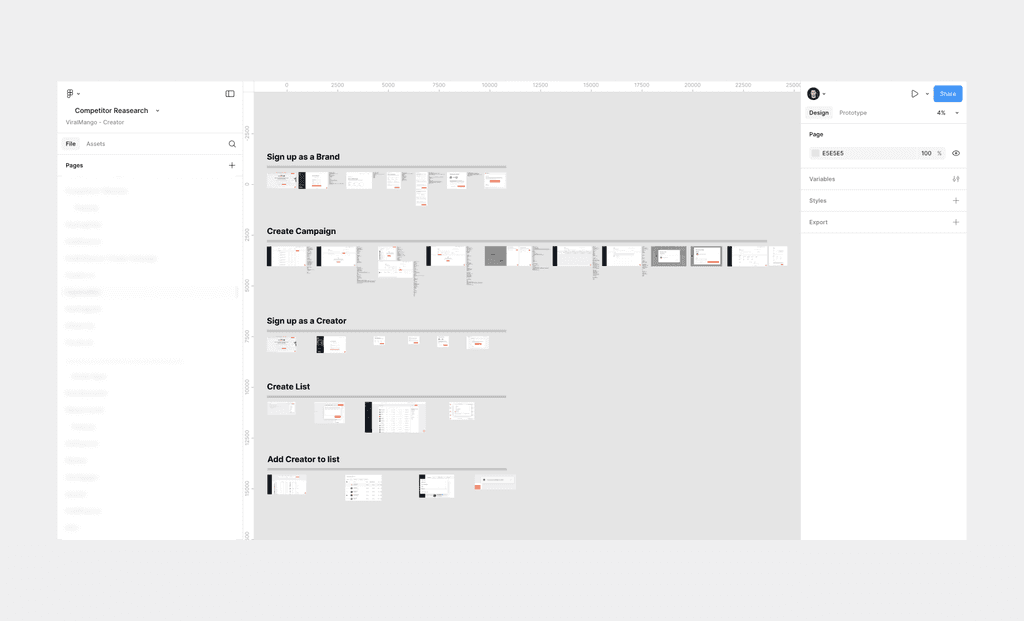
Example of a research document.
Note: Because of privacy, I blurred the competitor's name.
Thanks for understanding.

Context

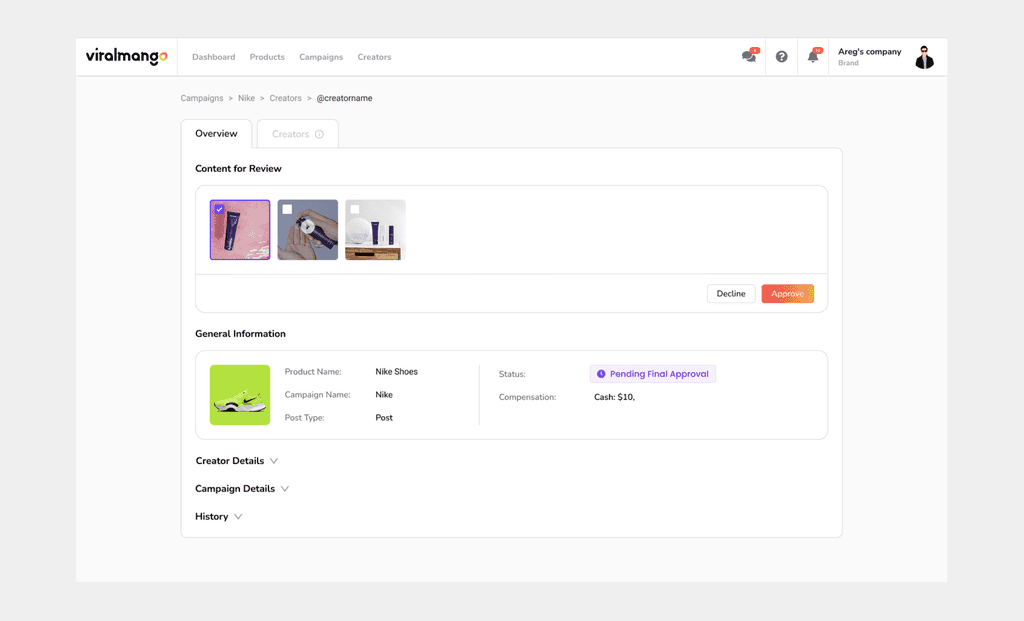
I was tasked with improving the brand campaign creation process to make it more intuitive, efficient, and aligned with user expectations. I have redesigned the campaign management flow and started usability testing on real users(brands) see the Figma link below.

Story

Problem

The old system had poor structure, visibility across campaign stages. Brands often got lost in the process:

  • No clear view of who applied, who was approved, and who completed deliverables

  • Poor tracking of influencer progress (from "Applied" to "Published")

  • Messaging, approvals, and payments were scattered across different views

  • Brands were managing campaigns manually

One of the biggest barriers to adoption was its poorly designed onboarding flow.

The original setup experience was:

  • Confusing and cluttered:
    Users didn’t know what steps to take or in what order

  • Lacked guidance:
    Uhere was no contextual help or clear explanation of technical steps

  • One-size-fits-all:
    it didn’t differentiate between technical and non-technical users

Our Approach

We reimagined campaign management as a structured pipeline, giving brands clarity at every stage of their collaboration with creators.One-click actions to approve, reject, or move creators forward.

I led the new design, ensuring it was:

  • Clear stages like AppliedApprovedIn ProgressPublishedPaid

  • Bulk actions, filters, and smart status indicators to reduce manual work

  • Integrated communication tools with reminders and message status tracking

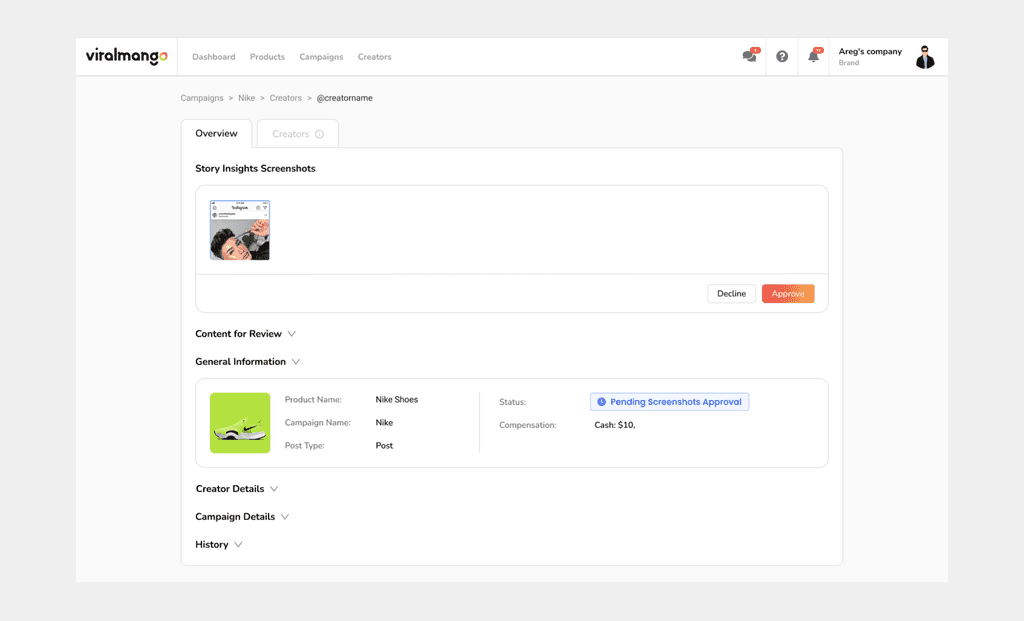
  • Easy access to content previews, creator profiles, and status history

  • Clear notifications when creators miss deadlines or fail to deliver

One of the biggest barriers to adoption was its poorly designed onboarding flow.

The original setup experience was:

  • Confusing and cluttered:
    Users didn’t know what steps to take or in what order

  • Lacked guidance:
    Uhere was no contextual help or clear explanation of technical steps

  • One-size-fits-all:
    it didn’t differentiate between technical and non-technical users

Key Features I Designed to Test

A kanban-style progress view to track each creator across stages

  • One-click actions to approve, reject, or move creators forward

  • Integrated message threads per creator

  • Visual indicators for content delivery, payment status, and time left

  • A scalable system that works across campaign sizes, from 5 to 500 creators

One of the biggest barriers to adoption was its poorly designed onboarding flow.

The original setup experience was:

  • Confusing and cluttered:
    Users didn’t know what steps to take or in what order

  • Lacked guidance:
    Uhere was no contextual help or clear explanation of technical steps

  • One-size-fits-all:
    it didn’t differentiate between technical and non-technical users

Outcome

  • A 30% faster brand onboarding to campaign launch time

  • Clearer visibility into creator deliverables and campaign progress

  • Higher brand satisfaction and lower support overhead

  • A foundation for future automations

One of the biggest barriers to adoption was its poorly designed onboarding flow.

The original setup experience was:

  • Confusing and cluttered:
    Users didn’t know what steps to take or in what order

  • Lacked guidance:
    Uhere was no contextual help or clear explanation of technical steps

  • One-size-fits-all:
    it didn’t differentiate between technical and non-technical users

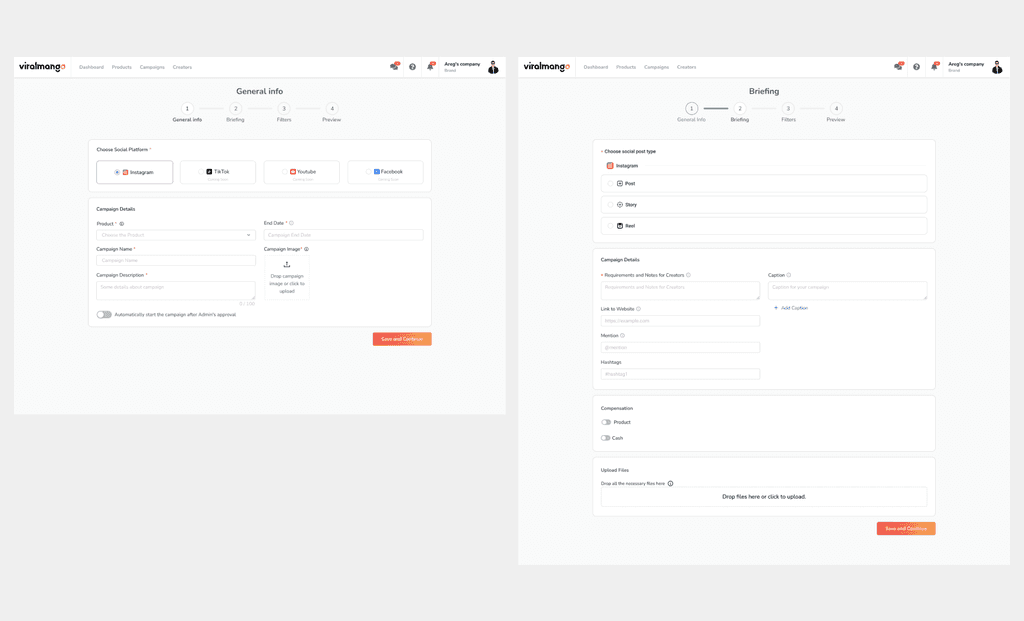
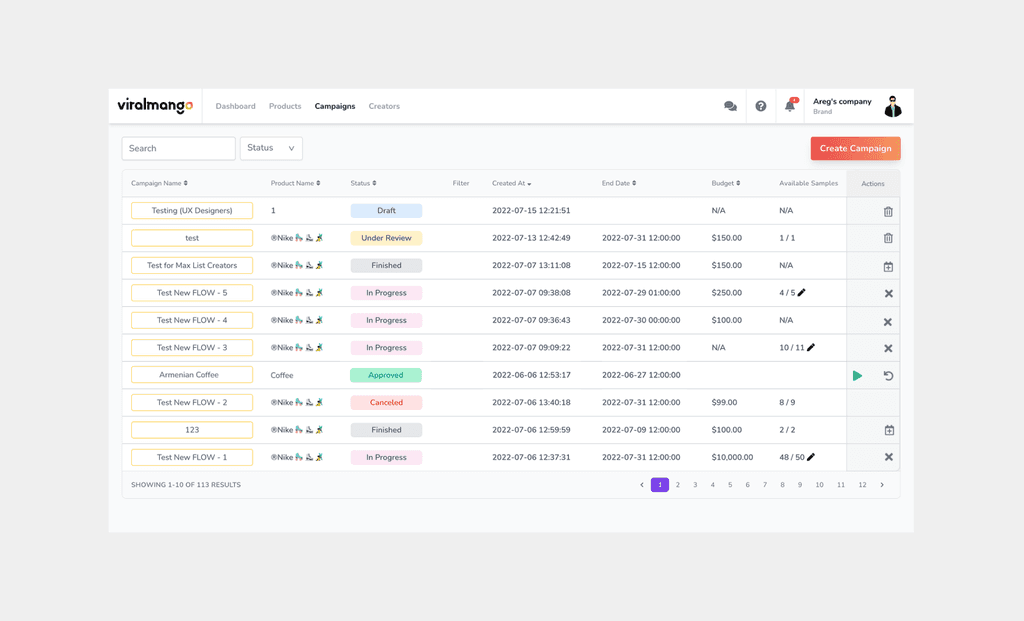
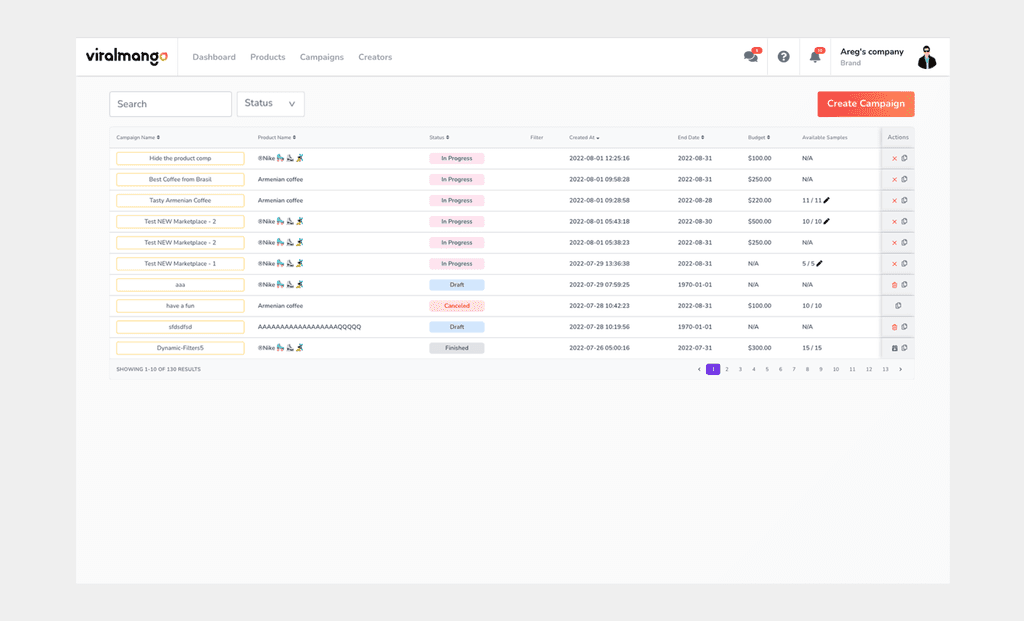
Old version of brand campaign creation, and management flow

Redesigned version of brand campaign creation, and management flow.

Design System & UI Kit

The old version was created by Tailwind CSS. Then we decided to create it using new technologies like React and utilize the Design System.

Our Design System was Ant Design.


I initiated the process of defining a structured UI kit, building on top of Ant Design, to bring consistency, improve handoffs between design and development, and align visuals across the product.

We decided to use Ant Design as the design system for our tool. It's a popular choice with a huge library of pre-built components, which saved us time and ensured a consistent look and feel.

Interface

Creator Marketplace

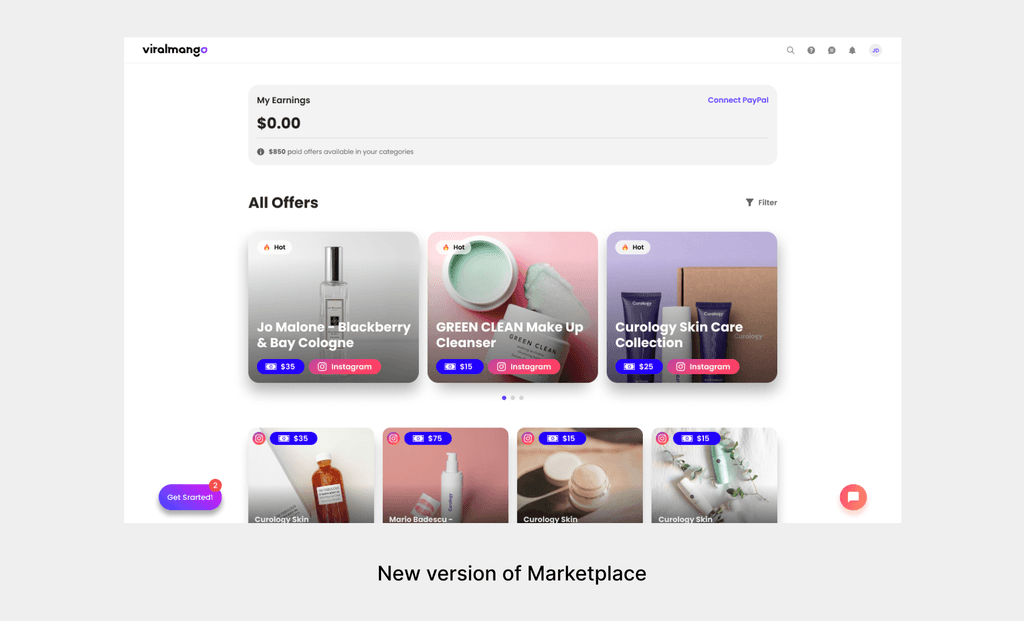
After user insights and data analyze, we decided to change the marketplace page. We made changes step by step.
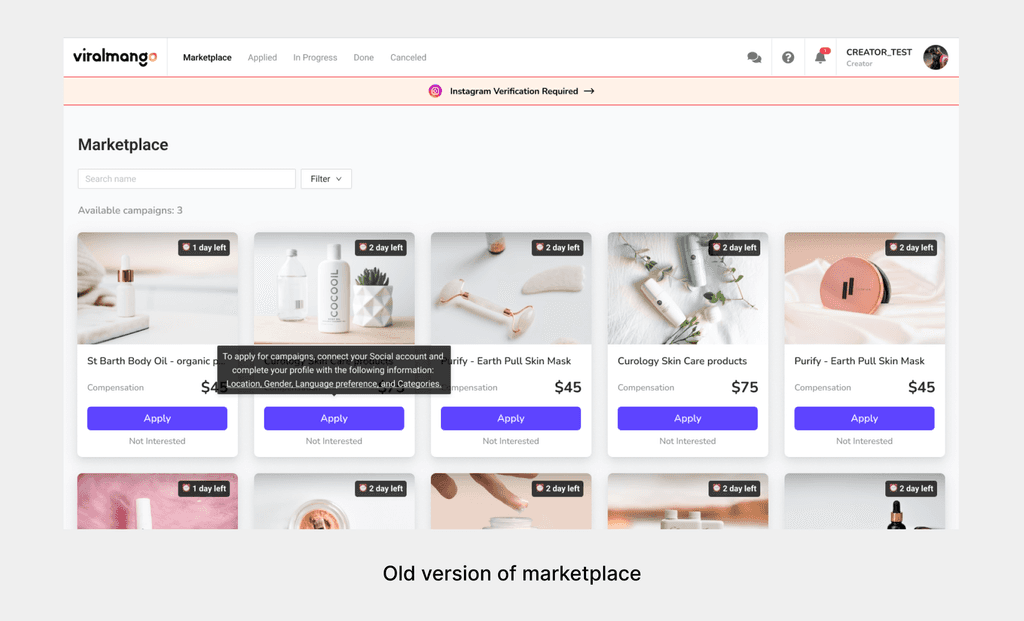
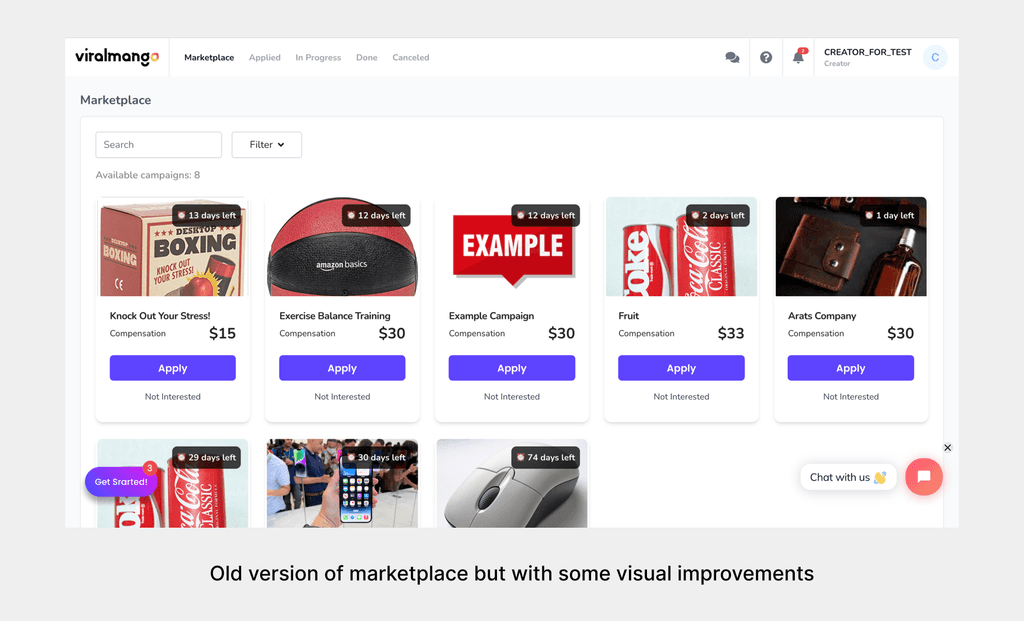
Marketplace design change log
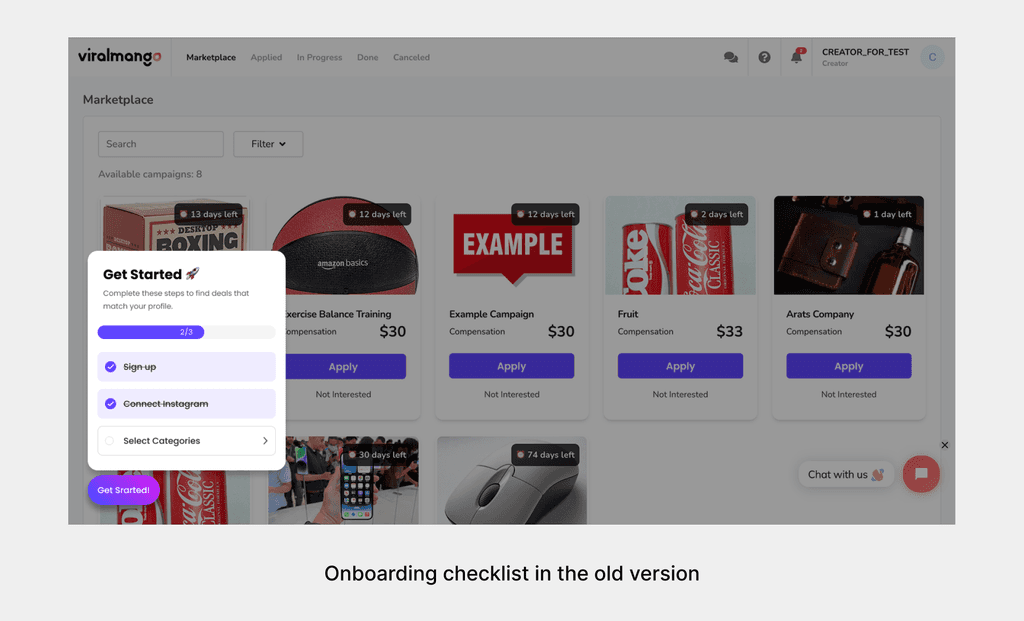
Onboarding

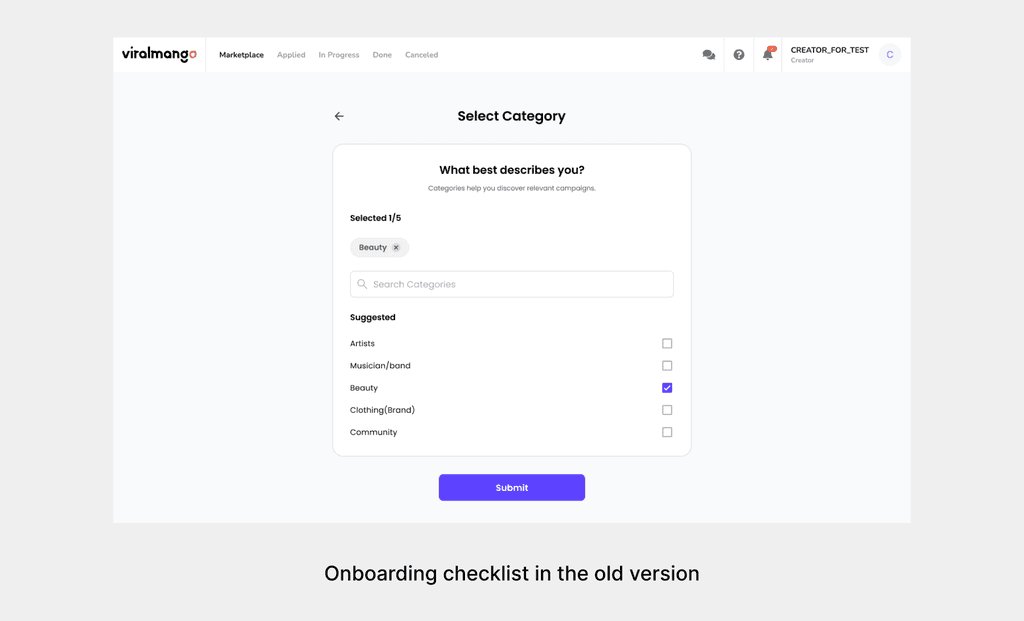
We define that our users don't connect their Instagram accounts and categories. This was important for us to automate matching campaigns and for the brands to filter them out by socials and categories.
Then we made the solution: For the new users, we implemented the onboarding checklist with tasks "Connect Instagram", and Select Categories.

Onboarding checklist in the old version

Campaign Management

There were many technology blocks because the main product is built on Tailwind CSS, and the design team had problems working with components and making global changes on the campaign management system. After the same changes, we decided to redesign the old product: phase by phase


For example:

We redesigned the flow by flow on the creator side. The old version was supported, but the new version has replaced it step by step.
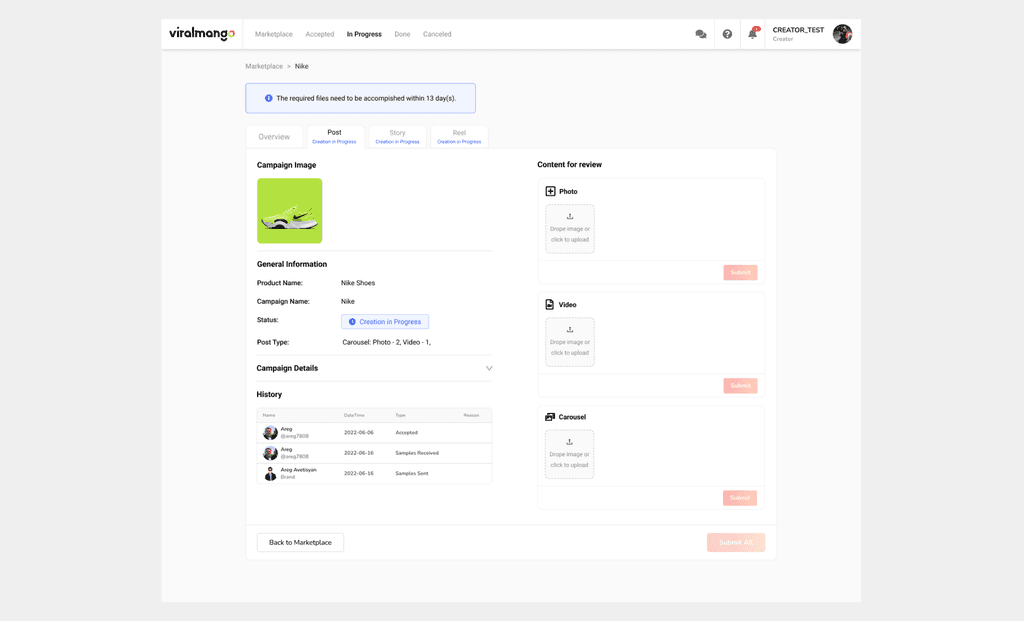
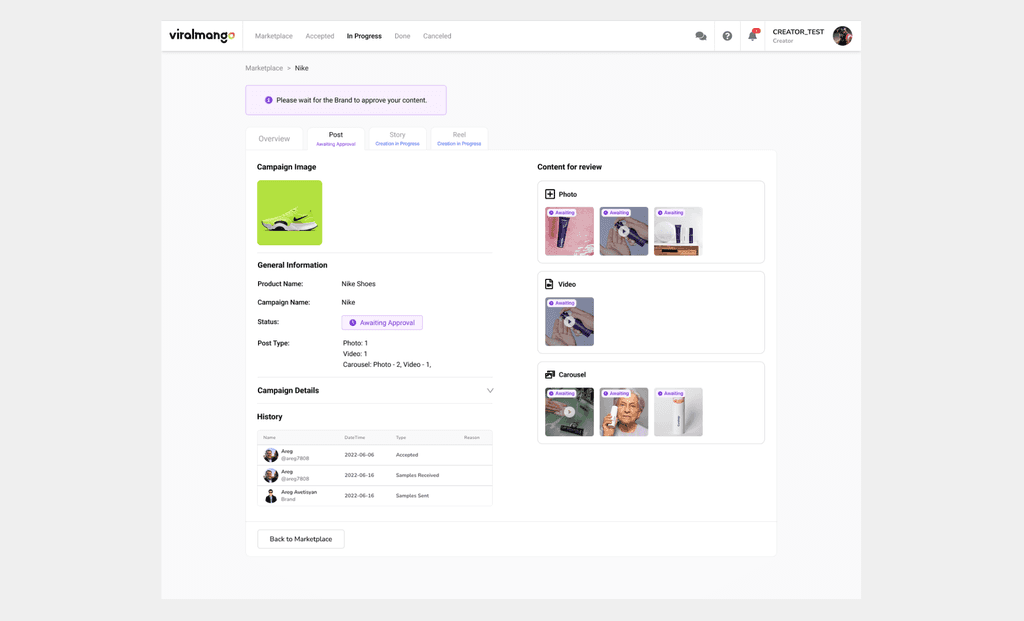
Old creator campaign management flow

Redesigned version of Creator Marketplace

In competitive analysis, we understand that most marketplaces are created for desktop-first. After a lot of user testing and interviews, and our data analysis, we created the new version of the mobile-first creator marketplace design.

Redesigned version of creator marketplace and campaign management.

Testing Insights

Key understandings

We created the new onboarding, which showed a 20% performance. We understood that we made the right decision to change it to a new technology to increase our marketplace experience and open new opportunities for our team to grow the product.


We had a big market problem, which is brand and creator right matchmaking and communication:


- Most brands can't find the right creators for their campaigns.

- Most of the creators don't respond to the brand's deals and can't finish their tasks by the correct deadline.

Create a free website with Framer, the website builder loved by startups, designers and agencies.