
Story
SmartPush.ai is a web push notification platform that has sent over 30 billion push notifications monthly, helping websites re-engage visitors by sending secure and targeted browser notifications. It offers features like segmentation, scheduling, analytics, and pay-per-delivery pricing, no coding required.
Duration:
Dec 2021 - 2022
Team Members:

Processes & Methodologies
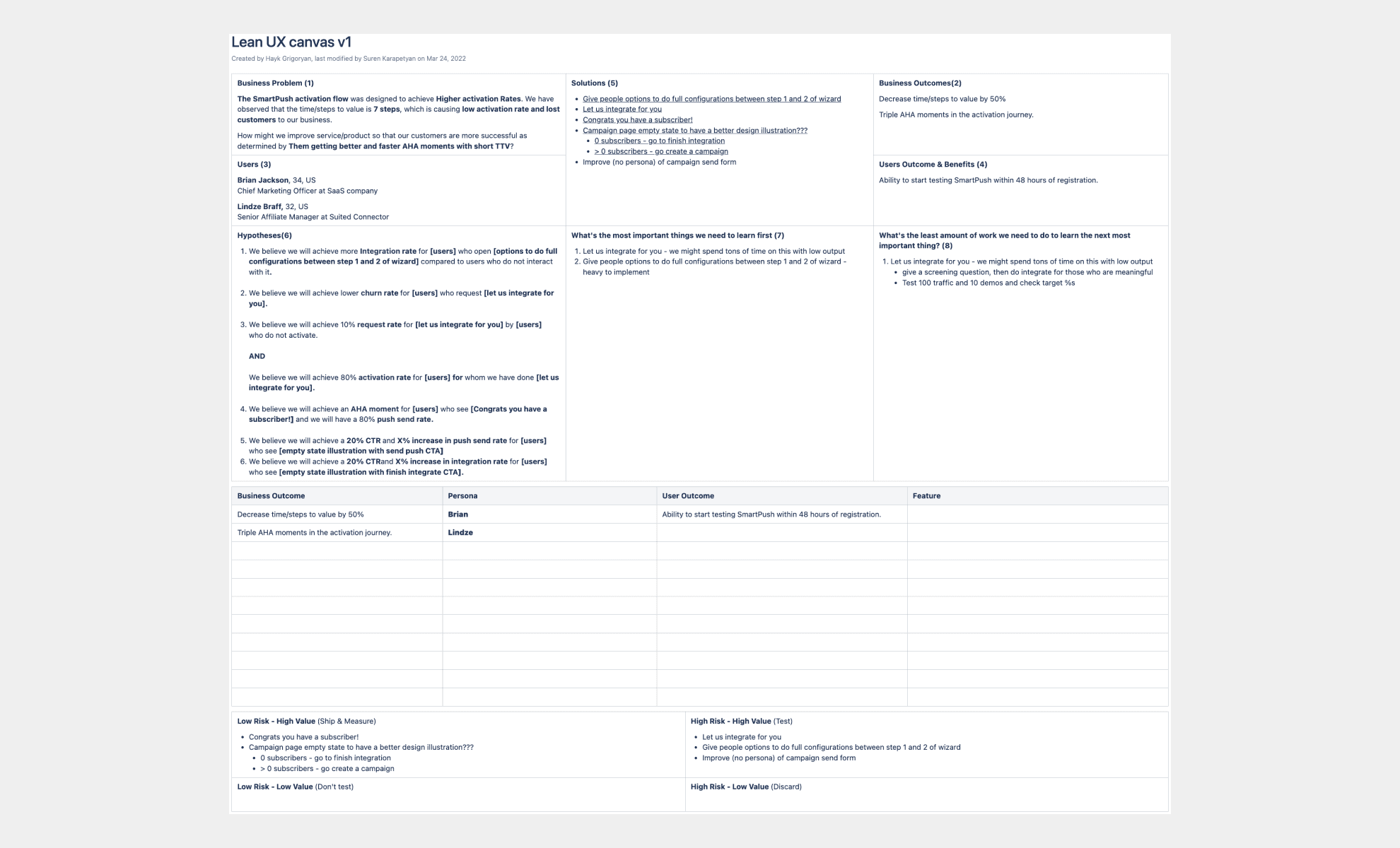
AHA moments validation
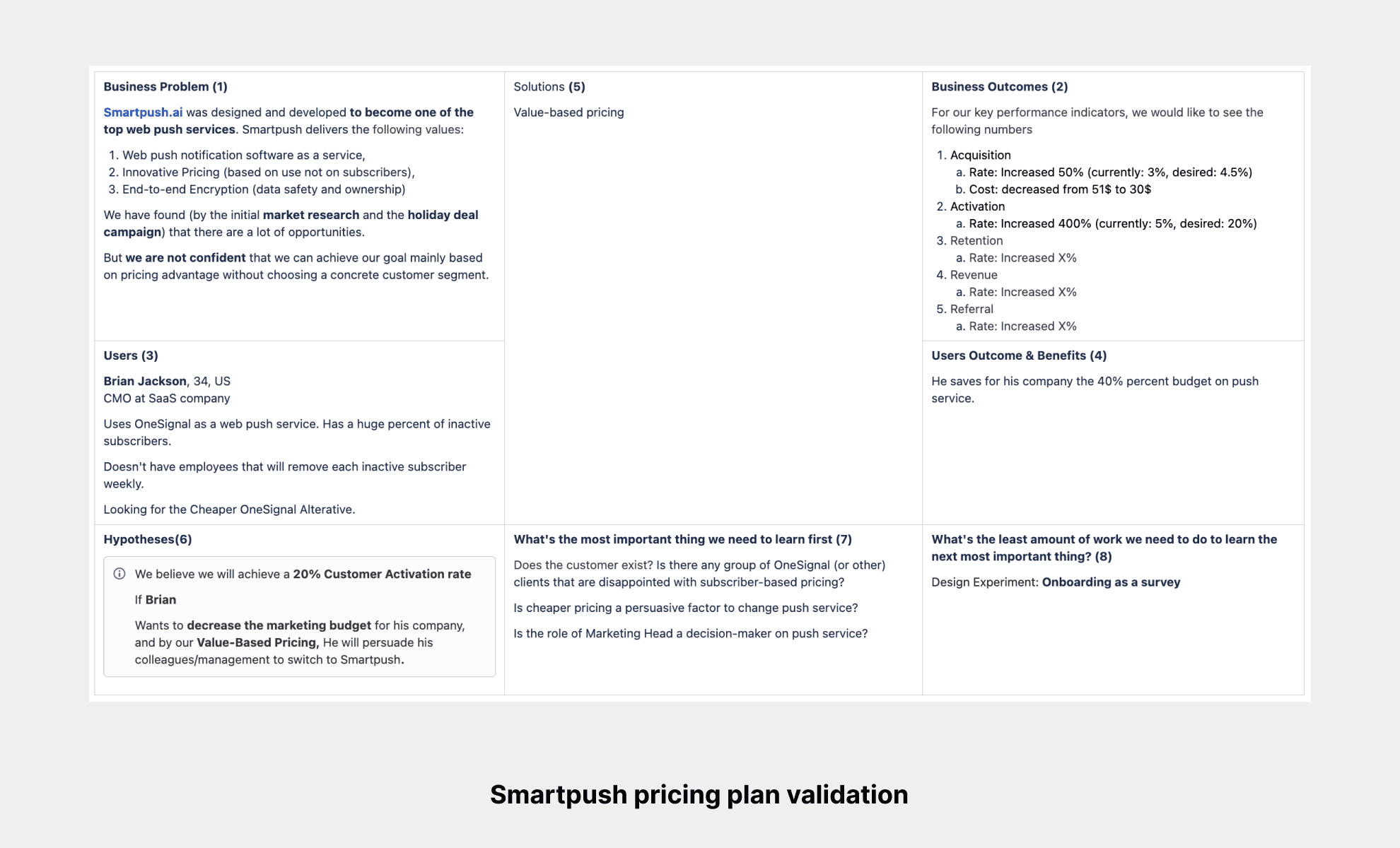
Pricing Plan hypothesis validation
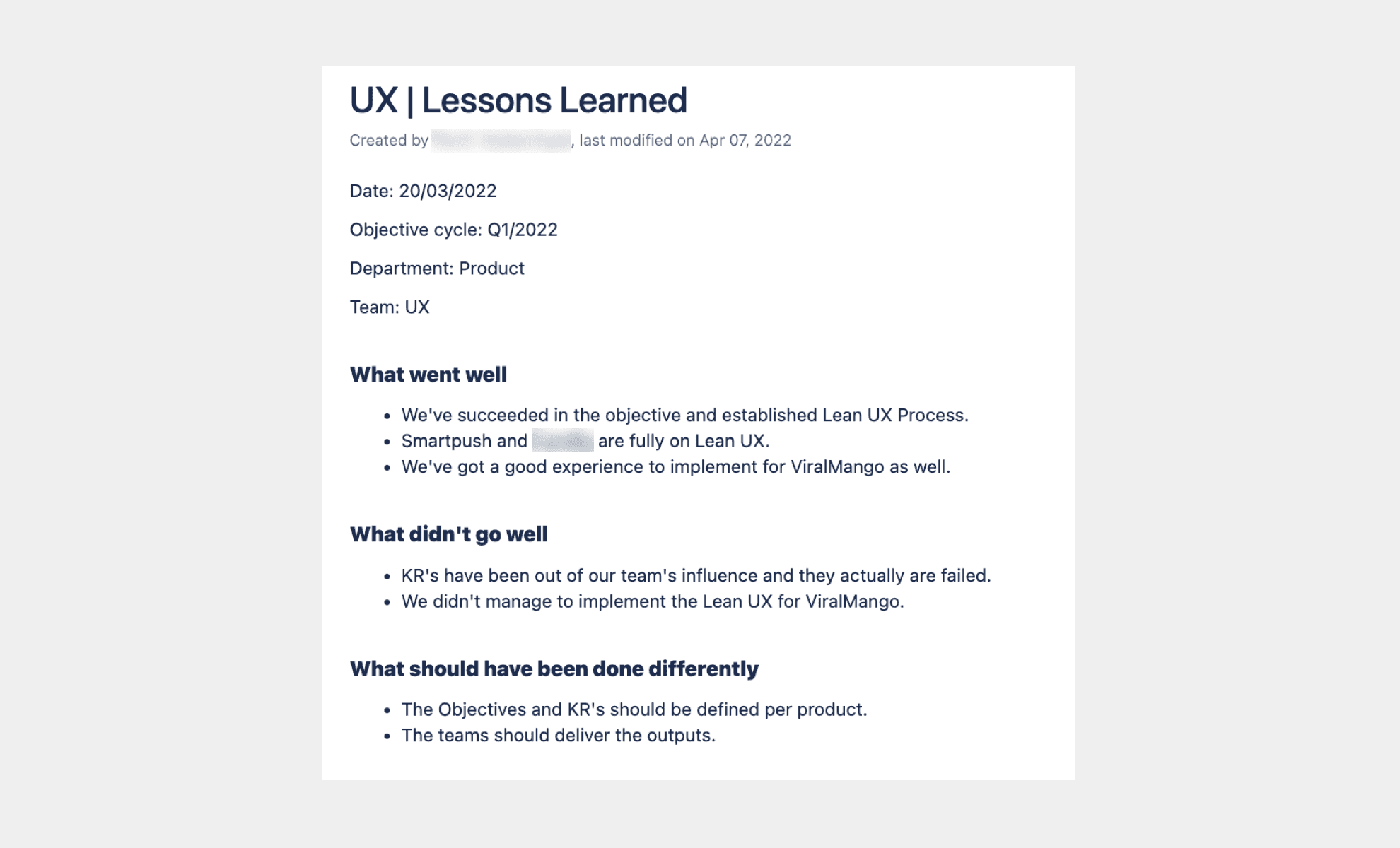
My contributions
Research & Insights
Here’s how we approached the research:
Heuristic Audit
Internal Interviews
User Feedback Collection
Targeted User Calls
Analytics Review via Metabase
What We Learned:
Users didn’t understand the difference between code integration, WordPress, or GTM options
Developers and non-technical users had different needs but were given the same path
Users needed inline guidance
Users needed the user friendly push notifications configurations
Context
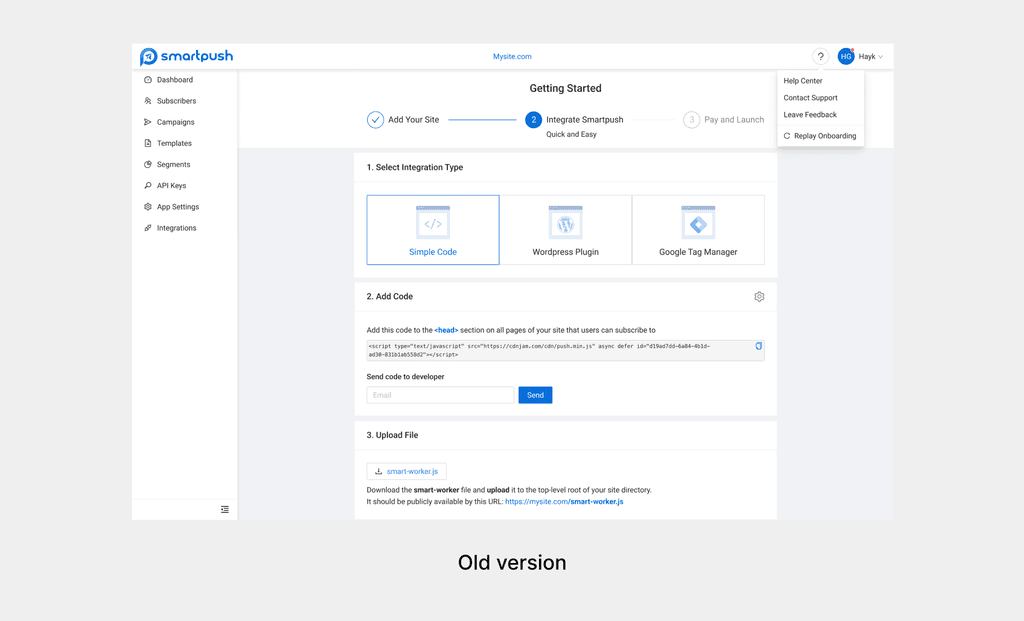
I was tasked with improving the onboarding experience for SmartPush. The original onboarding flow had unclear instructions, lacked user guidance, and resulted in a high drop-off rate during integration.
Smartpush product versions
The Challenge
Design System & UI Kit
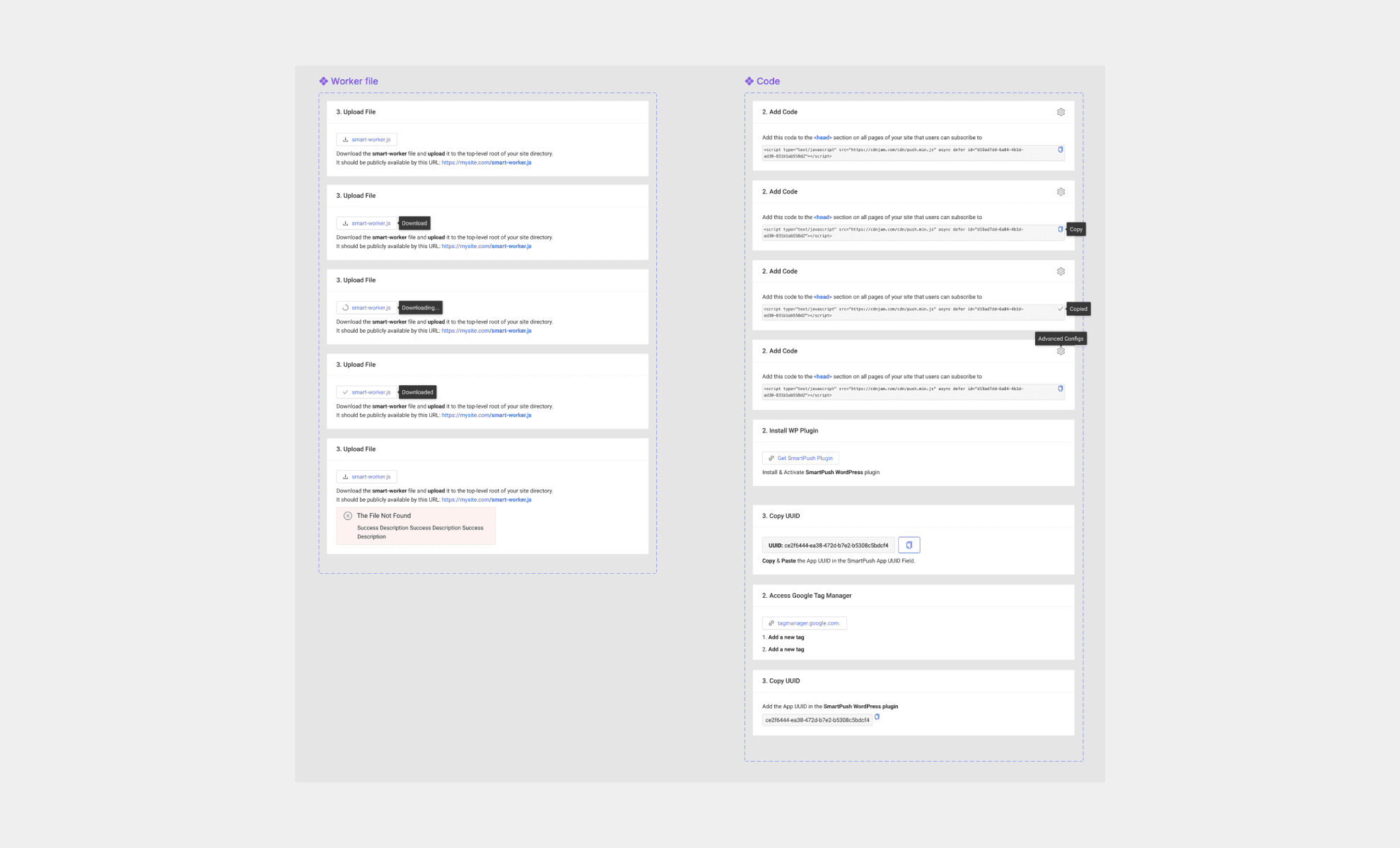
Examples of product UI Kit organization
Interface
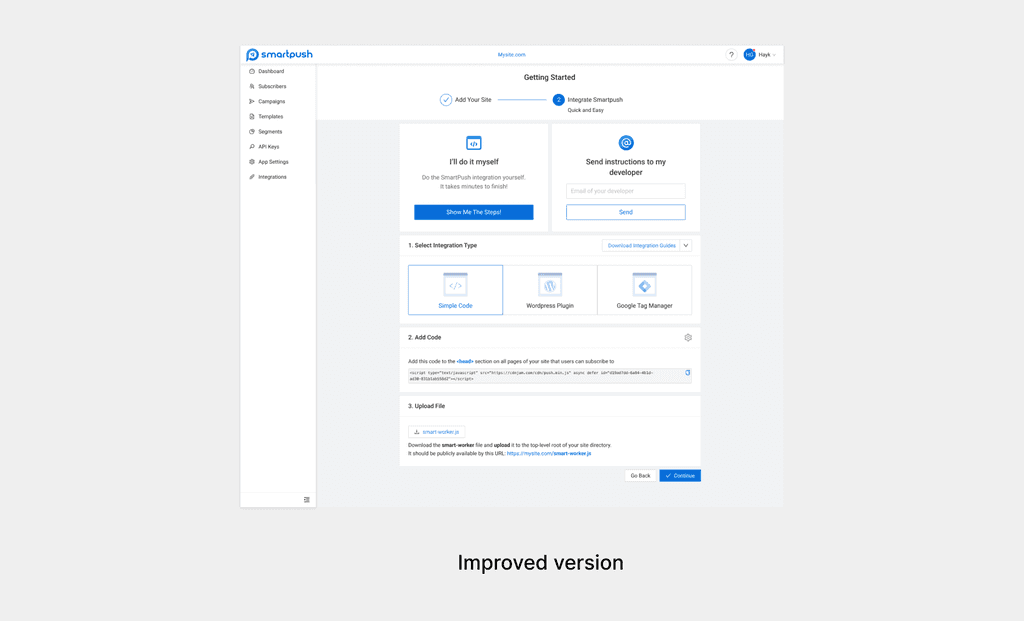
New Onboarding Concept
I analyzed multiple competitors and studied user feedback to identify what works, what confuses users, and what they expect. This research helped me to create a flow that feels intuitive, supportive, and scalable, and then I redesigned the onboarding experience at SmartPush to move away from a flat, generic setup flow and toward a modular, guided experience that adapts to different user types and levels of technical expertise.
Here’s what I introduced in the new concept:
Step-by-step structure that walks users through adding their site, configuring notifications, and preparing for launch
Progressive customization, so users only see advanced options when needed — this helps avoid overwhelming them
Real-time preview, giving users instant visual feedback on how their push notifications will look
Branding and appearance controls directly in the setup flow, users can now add icons, colors, and welcome messages without hunting for these settings later
Behavior settings like subscription triggers, display durations, and targeting, all configurable during onboarding
Segment logic introduction, giving users a head start on campaign strategy
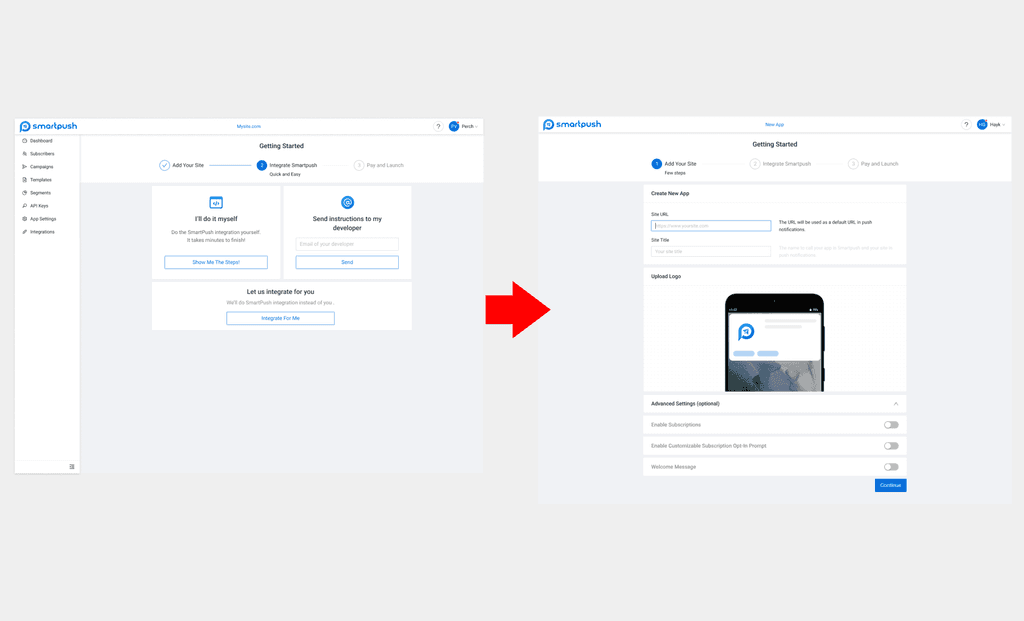
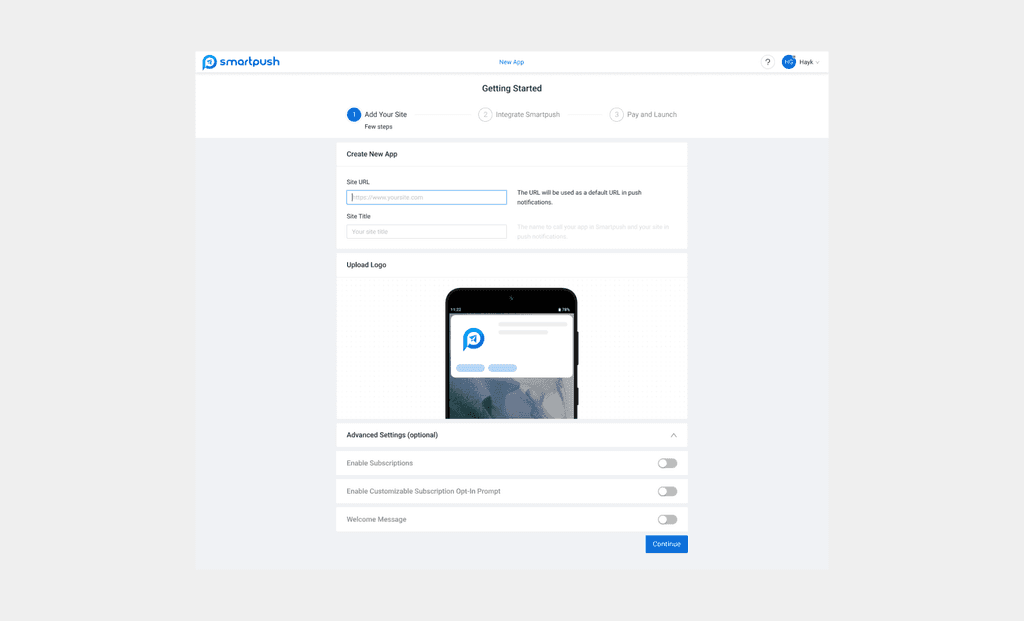


New onboarding concept
I redesigned the dashboard to help users easily track and manage their push campaigns. The updated version includes real-time status indicators, CTR performance metrics, campaign stage filters (Active, Draft, Completed), and quick actions like CSV export, making campaign management faster, clearer, and more efficient.
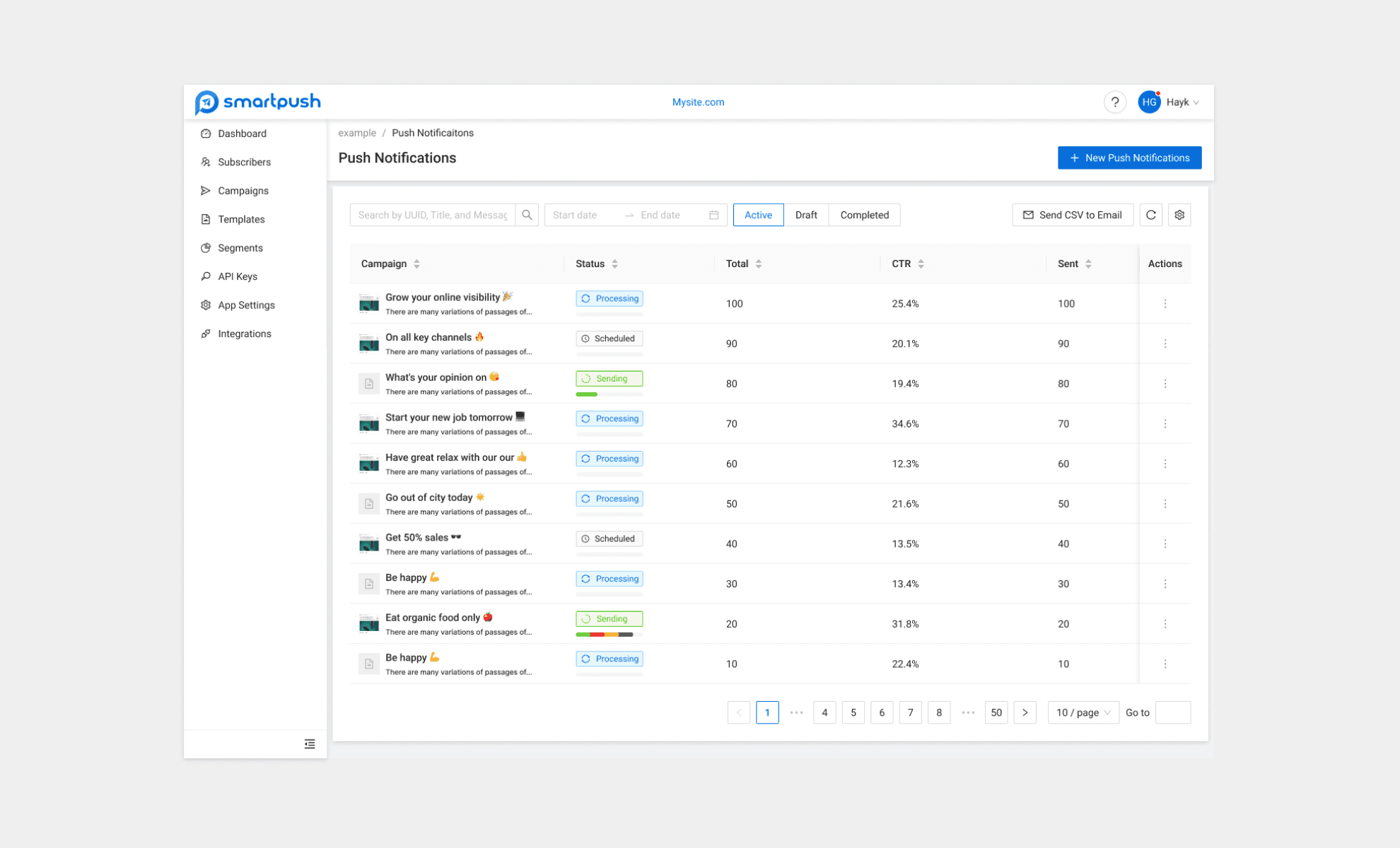
Billing & Plan Upgrade Flow
Based on user feedback, I redesigned the billing and upgrade flow to address confusion around pricing and plan selection. In the previous version, users couldn’t easily compare plans or understand what they were paying for. The new experience introduces a clear step-by-step structure, highlights usage stats, and makes plan differences easy to compare, helping users upgrade with confidence.
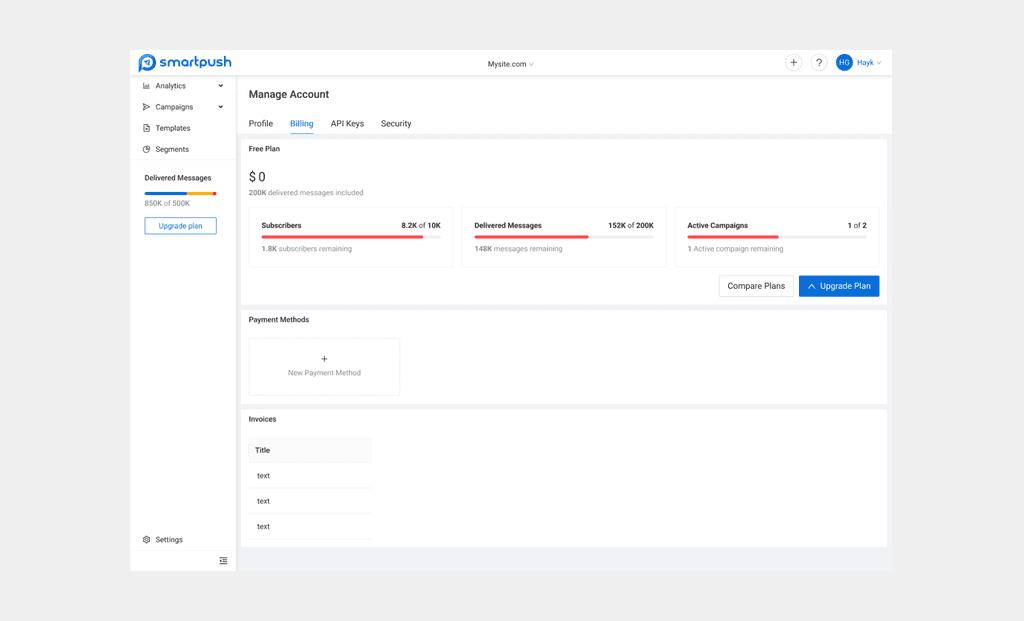
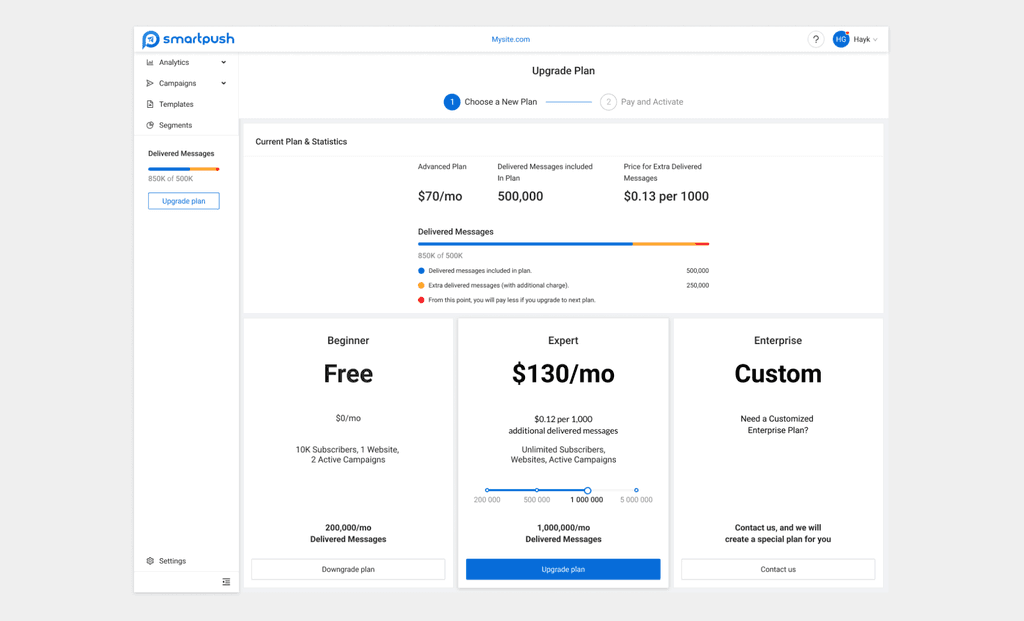
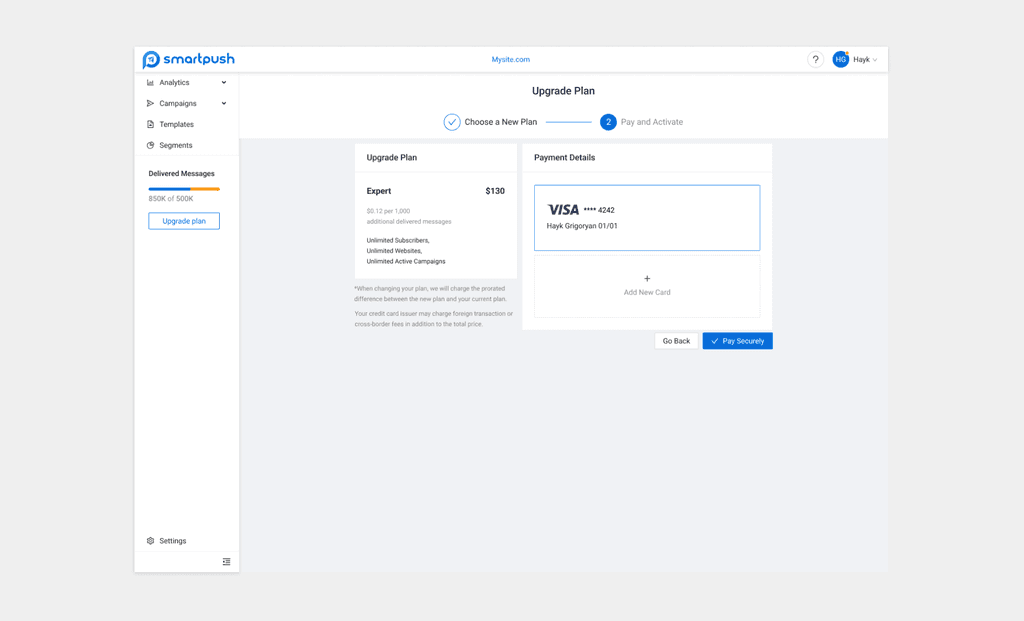
New pricing plan flow
Testing Insights
User Onboarding Experiment
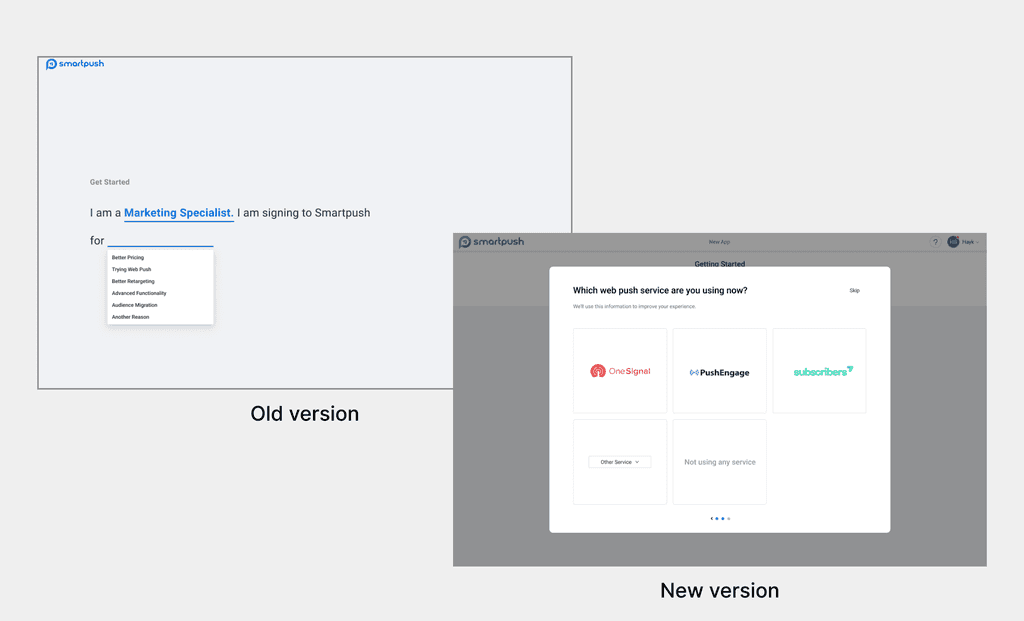
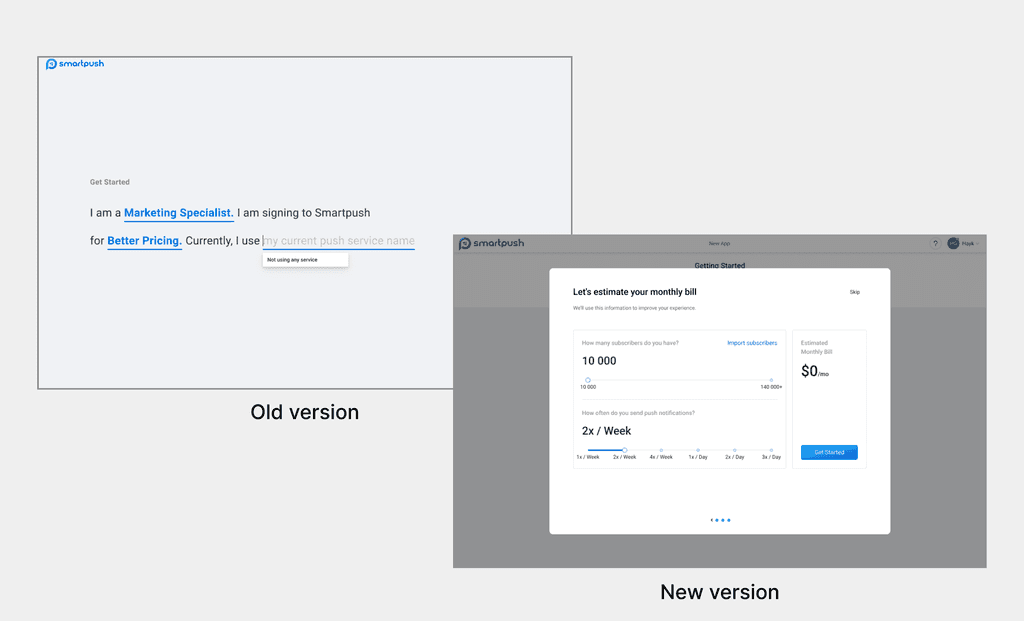
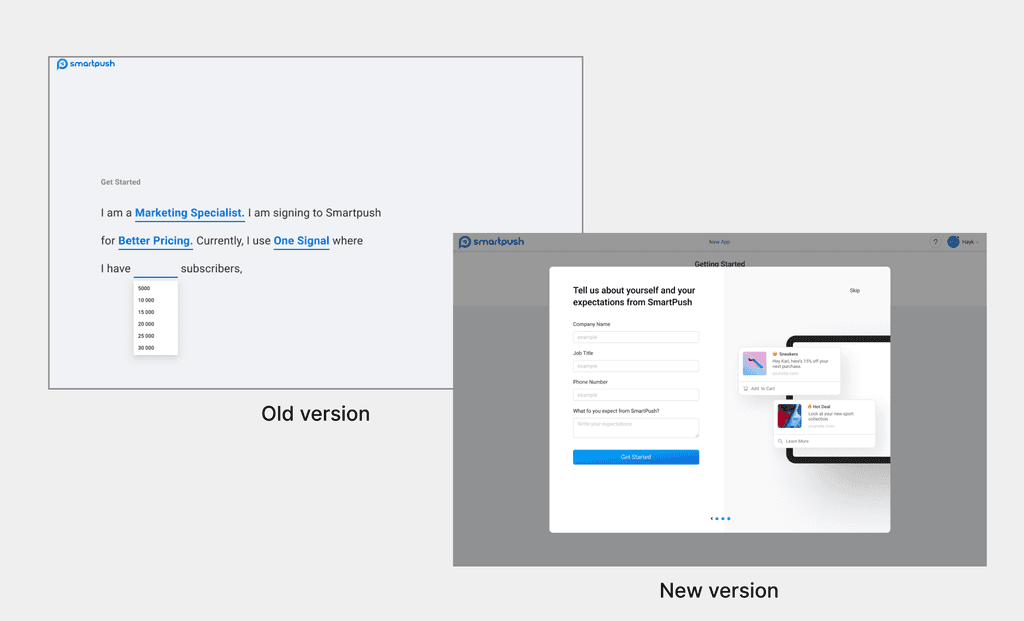
I tested two onboarding approaches to better understand user motivations during sign-up:
New version: Simple screen asking users to select their main reason for choosing SmartPush
Old version: More detailed, dynamic onboarding that collected role, platform switch, audience size, frequency, and estimated pricing
We spent a lot of time designing and developing Old version expecting it to deliver a more tailored and impactful experience. In contrast, New version was implemented quickly with minimal effort.
My goal with Old version was to better understand who our users are and why they choose SmartPush.
The questions:
Their role (e.g. marketing specialist, developer)
The tool they switched from
How many subscribers they manage
How often they send notifications
What motivated them to try SmartPush (e.g. pricing, features, migration)
This information would help us shape clearer user personas and better tailor our product, messaging, and onboarding strategy.
The Result
Version A outperformed in both completion rate and user engagement.
Users preferred the faster, and simpler flow.
What I Learned
Even with more advanced logic and personalization, simplicity won. This validated the importance of testing assumptions early and reminded us that speed and clarity often matter more than complexity, especially in onboarding.
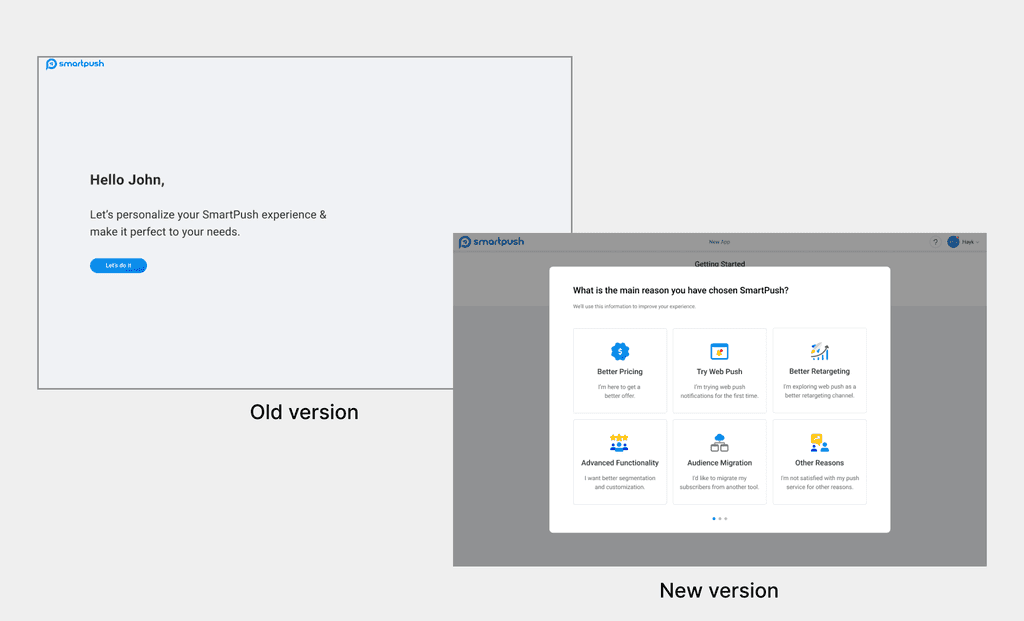
Onboarding changes